Car Jump Start Service Near Me: Best Practices for Gilbert and Phoenix Drivers
A dead battery rarely picks a convenient moment. It happens in a grocery store parking lot in Gilbert after a summer errand run, outside an office in downtown Phoenix at the end of a long day, or in a driveway when you are already late. Most drivers start by searching for a jump start service near me, but what matters next is knowing how to handle the situation safely, how to protect the vehicle from avoidable damage, and when a simple jump is not actually the right fix.
In the Valley, battery problems show up for familiar reasons. Heat is the big one. Extreme Arizona temperatures shorten battery life, dry out internal components, and expose weak charging systems fast. A battery that might limp through another season in a milder climate often gives up earlier in Gilbert or Phoenix. That local reality changes the way drivers should think about car jump start service, battery replacement timing, and the kind of mobile roadside assistance worth calling.
Why dead batteries are so common in Gilbert and Phoenix
People often blame the battery alone, but most no-start calls have a little more going on. Heat ages batteries faster, especially once they are past the two to three year mark. Short trips compound the problem. If you drive five or ten minutes at a time with the air conditioning working hard, the battery may never fully recover from each start. Add an interior light left on, an aging alternator, or a phone charger drawing power overnight, and the margin disappears.
Phoenix drivers also deal with another pattern. Many vehicles spend long stretches parked outdoors. Cabin temperatures soar, engine bays stay hot well after shutdown, and battery casings take a beating. In Gilbert neighborhoods, it is common to see cars used lightly during the work week or left sitting while owners work remotely. That can be just as tough on a battery as heavy use. Modern vehicles still draw a small amount of power when parked, and a weakened battery loses the ability to handle that normal drain.
The result is familiar. You turn the key or press the start button and hear a slow crank, rapid clicking, or nothing at all. At that point, many people immediately look for emergency roadside assistance near me, which is sensible, but a little first-hand judgment can help you communicate the problem better and get the right service dispatched.
How to tell whether you need a jump, a tow, or a different roadside service
Not every no-start situation is a battery problem. That distinction matters because a jump start is quick and inexpensive compared with a tow, but the wrong assumption can waste time and leave you stranded longer.
A weak battery usually gives some warning. The engine cranks slowly. Interior lights dim when you try to start the car. You may hear clicking from the starter relay. If the car started normally a day or two ago and now barely responds, a jump is often the right first move.
If the dashboard lights come on strongly but the engine does not crank at all, the issue might be the starter, the ignition system, a transmission interlock switch, or even a key fob problem. If the engine cranks normally but never catches, a jump start service near me is probably not what you need. In those cases, an emergency breakdown service or tow is usually more appropriate.
There are also situations where a battery call turns out to be something else entirely. A surprising number of roadside assistance Phoenix calls begin as “my car will not start” and end with fuel delivery near me. Drivers misread the fuel gauge, especially on slopes or after running the tank low in intense heat. Others discover a lockout at the same time because the keys were left inside while checking the hood, which is one reason full-service providers matter. A company that handles emergency roadside assistance, emergency fuel delivery, flat tire assistance, and car lockout service near me can solve the real problem faster than one built around a single service.
Safety comes first, especially on Valley roads
Where the breakdown happens changes everything. A dead battery in a shaded parking lot is inconvenient. A dead battery on the shoulder of Loop 202, US 60, or I-10 can become dangerous in minutes. Traffic speed, narrow shoulders, poor visibility, and desert heat all raise the stakes.
If the vehicle loses power in traffic or will not restart after stopping, the first goal is a safe location. If the car still rolls, coast as far from moving traffic as possible. Turn on hazard lights immediately. If it is dark, keep the vehicle lit. If you are in a questionable spot, standing outside near traffic is not always safer than staying inside with your seat belt on. A lot depends on shoulder width, traffic speed, and whether your vehicle is well clear of the travel lane.
Heat exposure is another issue that people underestimate. In Gilbert and Phoenix, waiting thirty to sixty minutes for roadside assistance can be uncomfortable in spring and genuinely risky in summer. If the car will not run, the cabin heats up fast. Keep water in the vehicle if you can, and mention if children, pets, or older passengers are present when requesting emergency roadside assistance. Good dispatchers prioritize those details.
What a professional jump start service should do
A proper car jump start service is more than connecting cables and hoping for the best. A trained roadside technician typically starts by confirming the symptoms and checking for obvious red flags like battery corrosion, damaged terminals, loose connections, or signs the battery case has swollen from heat. That quick visual check matters because a battery that is cracked, leaking, or severely deformed should be handled carefully and may not be safe to jump in the usual way.
Once the technician confirms the battery is the likely issue, the jump equipment should be connected in the correct sequence with attention to polarity. Modern jump packs are common and often safer than relying on another vehicle and loose cables. They deliver controlled power, reduce the chance of cable routing mistakes, and work well in tight parking lots where nose-to-nose positioning is difficult.
After the vehicle starts, the job is not really finished. A good technician should tell you whether the battery seems likely to hold a charge, whether the connections need service, and whether you should drive the vehicle directly for testing or replacement. This is where experience shows. Plenty of batteries accept a jump and restart the car, then fail again after the next stop. In Arizona, that happens often enough that many drivers treat a jump as a temporary bridge, not a cure.
A few things to do before help arrives
If you have called roadside assistance Gilbert AZ or roadside assistance Phoenix, there are practical steps that make the service faster and safer without turning you into a mechanic.
- Put the car in park, set the parking brake, and switch off accessories like the air conditioner, radio, and chargers.
- Pop the hood if it opens normally and it is safe to do so, but do not touch battery cables or terminals if you see corrosion, melted insulation, or leaking fluid.
- Keep your phone available and watch for dispatcher calls or text updates, especially in large apartment complexes or shopping centers.
- If you are in a parking lot, note nearby business names or cross streets so the technician can find you without delay.
- Have your key or key fob with you, since some vehicles need the fob inside the cabin or close to the start button even after a jump.
Those small details can shave real time off the wait, particularly in busy service areas where technicians are moving from call to call.
Why modern vehicles complicate simple jump starts
Many drivers still picture the older routine of asking a stranger for cables. Sometimes that works. Sometimes it creates new problems. Newer vehicles have more sensitive electronics, more crowded engine bays, and in some cases dedicated jump points that are not located directly on the battery. Some batteries are buried under trim, in the trunk, or beneath seats. Connecting cables to the wrong place can blow fuses or trigger electrical faults.
There is also the human factor. Most roadside damage during a jump does not come from the battery. It comes from reversed polarity, poor grounding, loose cable clamps, or panic. In a dim parking garage or on a hot roadside shoulder, it is easy to make a simple mistake. That is one reason many people now skip the improvised approach and go straight to a car jump start service. The cost difference is usually small compared with the cost of repairing an electrical issue on a late-model vehicle.
Hybrid and electric vehicles deserve special caution. A hybrid may have a small 12-volt battery that enables startup systems even though the car also has a high-voltage battery pack. Procedures vary by manufacturer, and the under-hood layout can be confusing if you are not familiar with it. Full battery electric vehicles may also use 12-volt systems for accessory functions, but a no-start condition on those vehicles is not always a simple jump matter. In those cases, professional mobile roadside assistance is the safer call.
The Arizona heat factor and what it does to battery life
Drivers moving from cooler states are often surprised by how quickly batteries wear out here. In many parts of the country, four to five years from a battery is ordinary. In the Phoenix metro area, two to three years is a more realistic planning window for many vehicles, sometimes less if the car lives outside and sees heavy heat exposure. That does not mean every battery fails early, but it does mean waiting for a dramatic failure is rarely a winning strategy.
Heat accelerates chemical breakdown inside the battery. Water loss and plate degradation reduce capacity. You may not notice that loss in spring because the engine still starts. Then a hot July afternoon arrives, the battery gets heat-soaked in a parking lot, and the reserve disappears. That is why battery trouble feels sudden when it often builds gradually.
If your battery is approaching the end of its typical life span, asking for a jump may solve today’s problem while setting up tomorrow’s. This is where honest roadside advice matters. Some technicians push replacement too quickly. Others understate the risk. The better ez3roadsidephoenix.com roadside assistance near me approach is practical: if the battery is old, the start was very weak, and the vehicle may be parked again soon, replacement should be taken seriously.
When a jump start is only half the job
A successful jump gets you moving, but the next decision matters more than many drivers realize. Should you keep driving? Shut the engine off? Head to work? Go home? The answer depends on what likely caused the failure.
If the battery was drained by an interior light or a door left ajar and the battery is otherwise healthy, a decent drive may restore enough charge for normal use. If the battery is old or the alternator is weak, driving around aimlessly is often wishful thinking. A twenty-minute drive is not magic. In city traffic, with high electrical load from air conditioning and fans, charging may be slower than drivers expect.
There is also the risk of getting stranded again in a worse location. A jump in your driveway is manageable. A second failure at a gas station in afternoon traffic is less pleasant. Experienced roadside technicians often suggest going directly to a trusted shop or battery retailer for testing if there is any doubt. That advice is especially sound during summer.
Here are the situations where I would treat the jump as temporary and plan for immediate testing or replacement:
- The battery is more than about three years old in Arizona conditions.
- The vehicle needs another jump within days, or even the same day.
- The engine starts, but lights still flicker or electrical systems behave oddly.
- Battery terminals are badly corroded, loose, or visibly damaged.
- The car dies soon after the jump, which may point to a charging system issue.
That short list catches most of the cases that turn into repeat service calls.
Choosing the right roadside assistance provider in Gilbert and Phoenix
Search results for roadside assistance near me can be noisy. National brands, local towing companies, insurance-affiliated dispatchers, and independent mobile roadside assistance providers all appear together. For drivers in Gilbert and Phoenix, the better choice is usually the provider that can handle the full range of common roadside issues and can clearly explain response expectations in your area.
Coverage matters because breakdowns rarely arrive neatly packaged. Someone may request jump start service near me and then realize the tire is flat too. Another driver may ask for flat tire repair near me after hitting road debris, then discover the wheel lock key is missing and need a tow instead. A strong provider can shift gears without sending you back through a new queue.
Response times also depend heavily on geography and timing. A company may advertise broad Metro Phoenix coverage but have stronger technician availability in certain corridors. Gilbert drivers should ask whether the provider has regular service in East Valley neighborhoods, not just downtown or freeway-adjacent zones. Phoenix is even more variable. Midday service in central areas may be fast, while outer zones or peak traffic periods can stretch wait times.
You also want clarity about what is included. Some roadside calls cover the first few miles of travel or the basic labor to jump a battery, unlock a car, or change a tire. Others add fees for difficult locations, oversized vehicles, parking garages, or after-hours calls. When possible, get the total before dispatch.
More than jump starts, the value of full roadside support
Many drivers first think of roadside help for dead batteries, but a reliable service should cover the whole cluster of common emergencies. In the Gilbert and Phoenix area, the most frequent companion services are flat tire assistance, fuel delivery near me, and vehicle lockout service. Those issues tend to happen in the same real-life settings, work commutes, shopping runs, school pickups, and summer travel across the Valley.
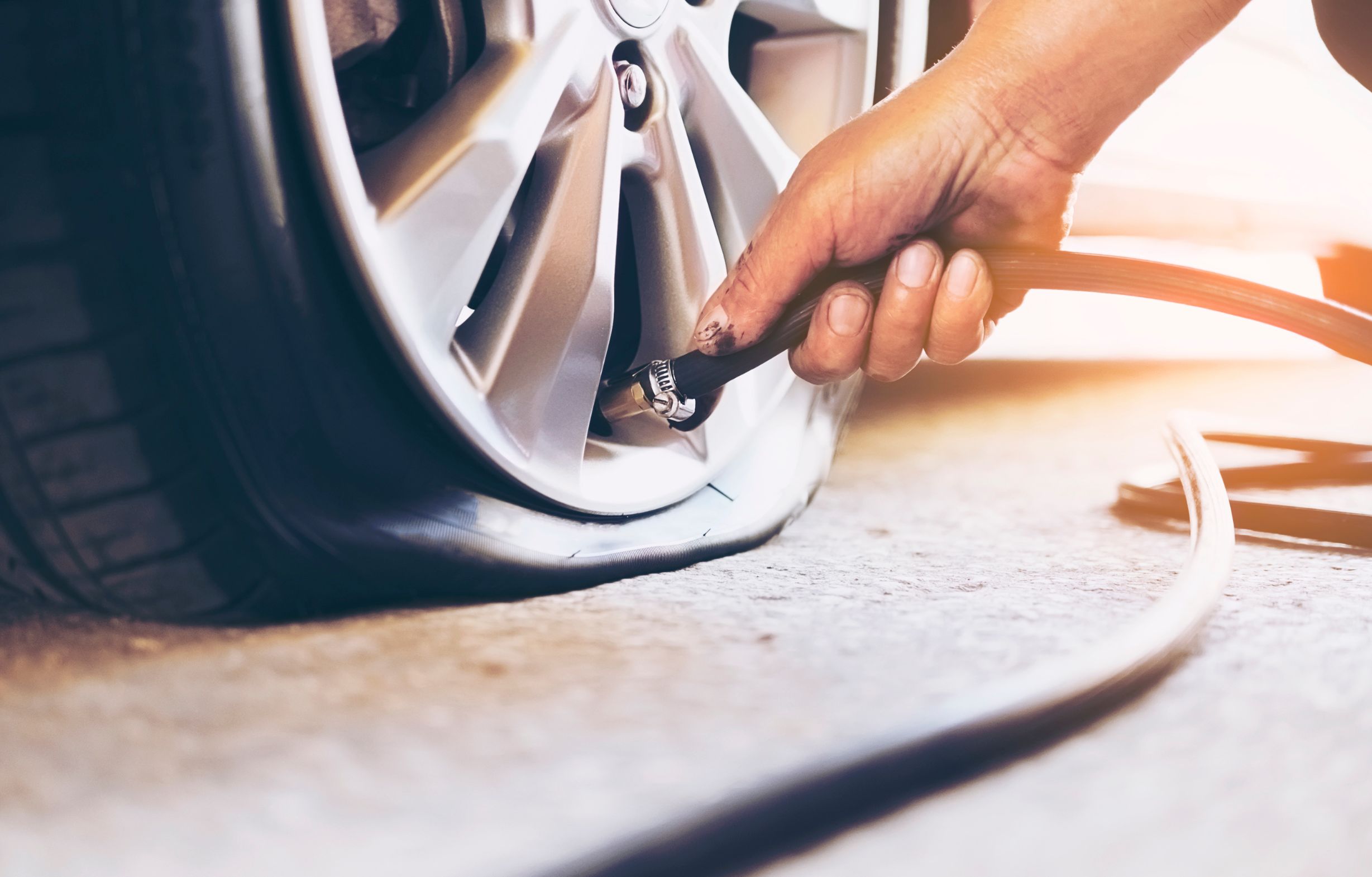
Flat tire repair near me is one of the most common searches after a battery call. Heat, road debris, worn tires, and pothole edges all contribute. Sometimes a roadside technician can install the spare quickly. Sometimes the spare is underinflated, missing, or inaccessible because cargo is piled on top. The same technician who can assess a dead battery often has the judgment to tell you whether a tire issue is safely fixable roadside.
Emergency fuel delivery is another service people do not appreciate until they need it. Modern fuel gauges are better than older ones, but range estimates can still mislead, especially with aggressive air conditioning use, long idling periods, or a trip that shifts from local roads to freeway driving. Running out of gas in the Arizona heat is more than embarrassing. It can become a safety issue if you are stopped in an exposed area with limited shade.
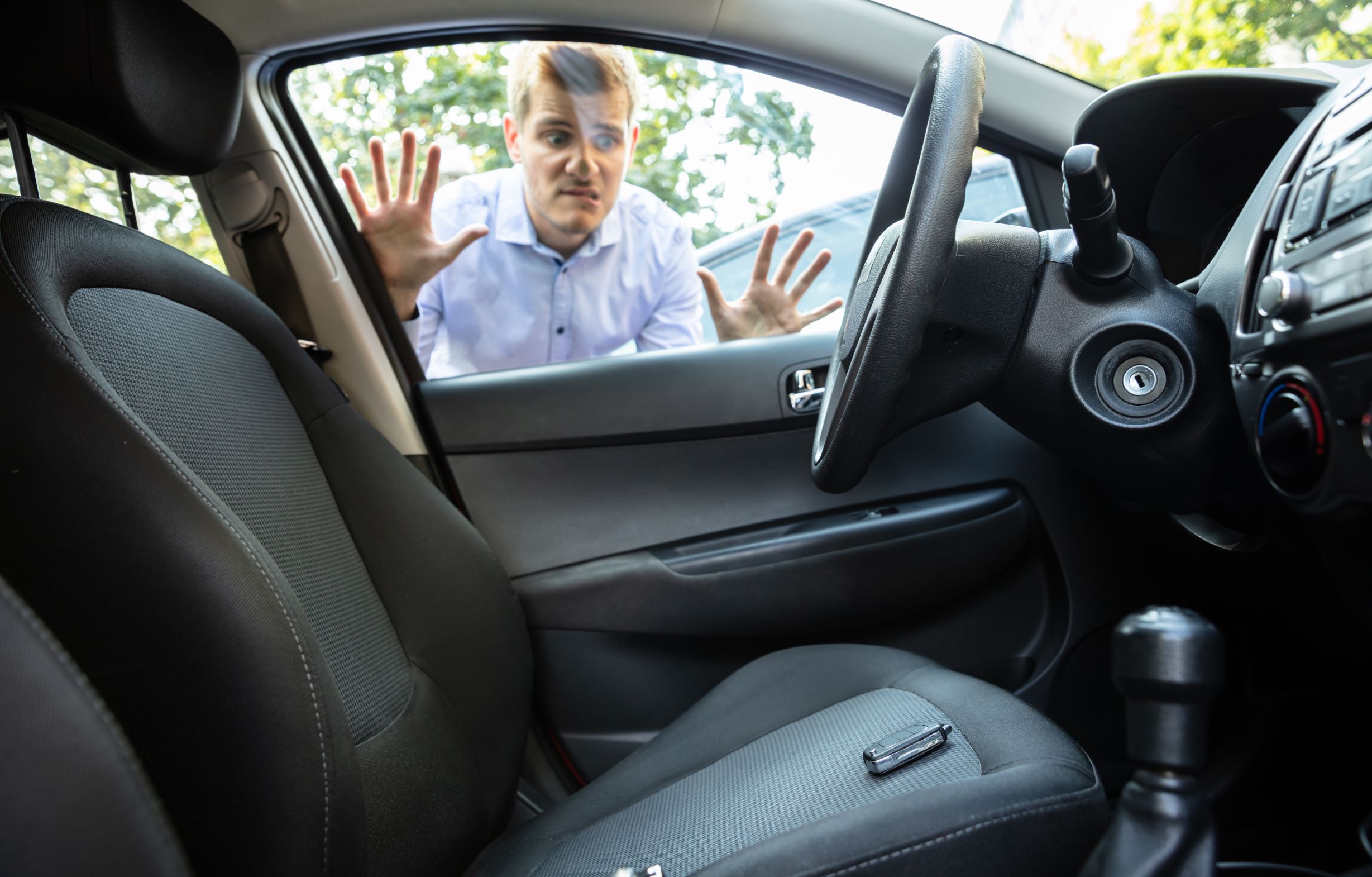
Lockouts are similarly time-sensitive in the desert. Searching car lockout service near me or vehicle lockout service often happens when a phone, wallet, and keys are visible on the front seat and the temperature inside the car is climbing quickly. In those moments, the provider who can handle lockouts, jump starts, and breakdown service under one roof earns their keep.
What drivers can do to avoid needing a jump at all
No roadside plan beats preventing the call. In Arizona, prevention is mostly about timing and habits. If your battery is aging, test it before summer rather than after the first failure. If you rarely drive the vehicle, take it on a meaningful trip now and then or use an appropriate battery maintainer if that fits your situation. Keep terminals clean and secure. Replace a battery proactively if it is already beyond the point where you trust it in triple-digit weather.
Pay attention to subtle warnings. Slow cranking in the morning, a start-stop system that quits working, dimmer lights at startup, or an infotainment system that resets unexpectedly can all suggest declining battery health. None prove failure by themselves, but together they build a case.
It also helps to keep a practical roadside mindset. Know where the spare tire tools are. Save the contact information for a trusted roadside assistance Gilbert AZ or roadside assistance Phoenix provider before you need it. Keep water in the vehicle for summer. If your car uses a physical key hidden inside the fob, learn how it works now, not in a parking lot after sunset.
Real-world judgment matters more than generic advice
The reason drivers search emergency roadside assistance near me is simple: roadside problems are immediate, inconvenient, and usually stressful. Yet the best outcomes come from slowing down just enough to make a sound decision. Is this likely a battery problem or something else? Is the location safe enough to wait? Will a jump realistically solve the issue, or is the battery already done? Do you need a single service, or a provider who can handle a dead battery, flat tire assistance, emergency fuel delivery, and lockout support if the situation changes?
For Gilbert and Phoenix drivers, the climate makes those decisions more urgent. Heat shortens battery life, multiplies discomfort, and punishes delay. A professional car jump start service can get you back on the road quickly, but the bigger best practice is treating the jump as part of a larger roadside strategy. Safe location first, accurate diagnosis second, repair plan third. That order saves time, money, and a surprising amount of frustration.
When a battery dies, the fastest search result is not always the best answer. The better answer is responsive mobile roadside assistance, clear communication, and a technician who understands how Arizona conditions affect vehicles. That combination turns a dead battery from a major disruption into a manageable stop in the day, which is exactly what good roadside service should do.
Our Sponsor
EZ3 Roadside Rescue Services
EZ3 Roadside Rescue Services is a Gilbert-based roadside assistance provider serving drivers throughout Gilbert and the greater Phoenix, Arizona area. The company provides fast, professional roadside assistance for common vehicle emergencies, including flat tire repair and tire changes, battery jump starts, emergency fuel delivery, vehicle lockout assistance, lug nut removal, battery replacement, and emergency breakdown assistance. EZ3 Roadside Rescue Services is available 24/7 to help stranded motorists get safely back on the road.
Address:
922 N Colorado St,
Gilbert,
AZ
85233,
United States
Phone: (480) 710-5902
Business Hours:
- Open 24/7 — Emergency Roadside Assistance Available
Follow Us: